
Exercise Therapy
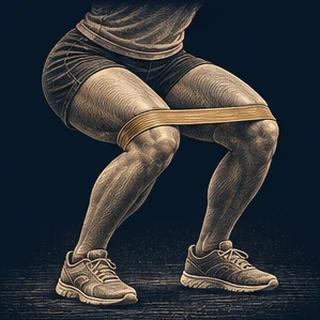
Personalized exercise programs designed to restore strength, flexibility, and function.
- Progressive strength building
- Improved flexibility and range of motion
- Better balance and coordination
About This Treatment
Exercise is the core of most musculoskeletal rehabilitation. Individualized programs build strength, improve flexibility, and restore function step by step. Exercises are chosen from current evidence and fitted to your goals and current ability. The benefits last only as long as you keep training, which is why the program is built around something you can continue on your own.
What to Expect
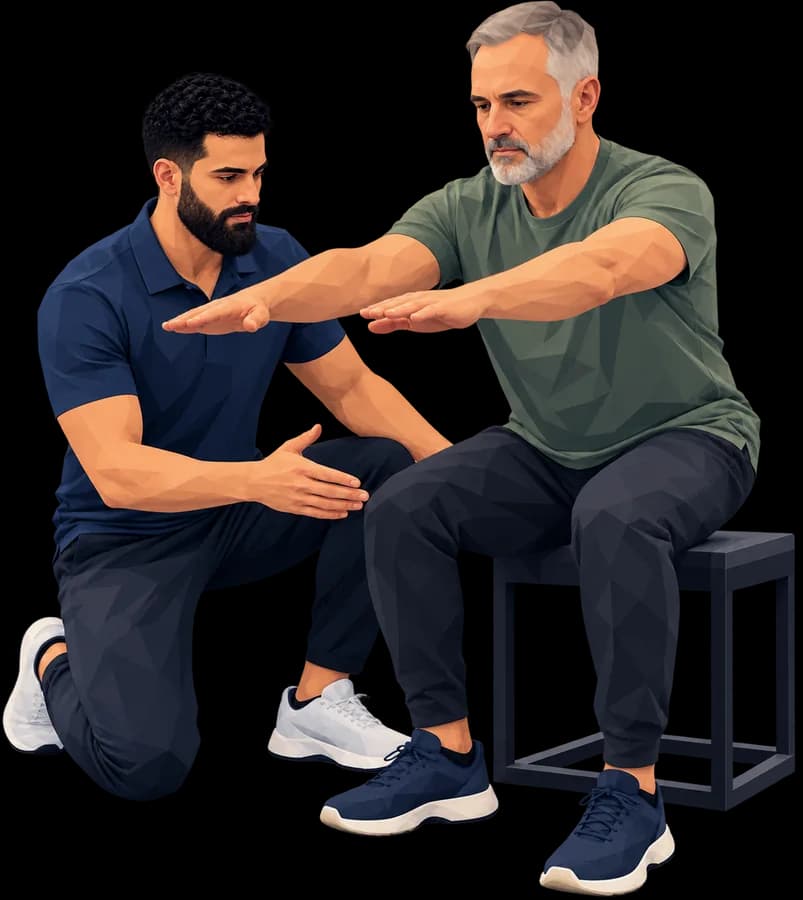
Programs start at your current ability. Sessions include instruction, practice with feedback and adjustments to the exercise or setup. The home program should be practical to continue. The diagnosis, activity and any protection requirements determine the appropriate effort and symptom limits.
Key Benefits
- Progressive strength building
- Improved flexibility and range of motion
- Better balance and coordination
- Can reduce pain and improve function
- A planned return to your activities
- Long-term symptom management with continued practice
Conditions Treated
Conditions where I use this treatment.
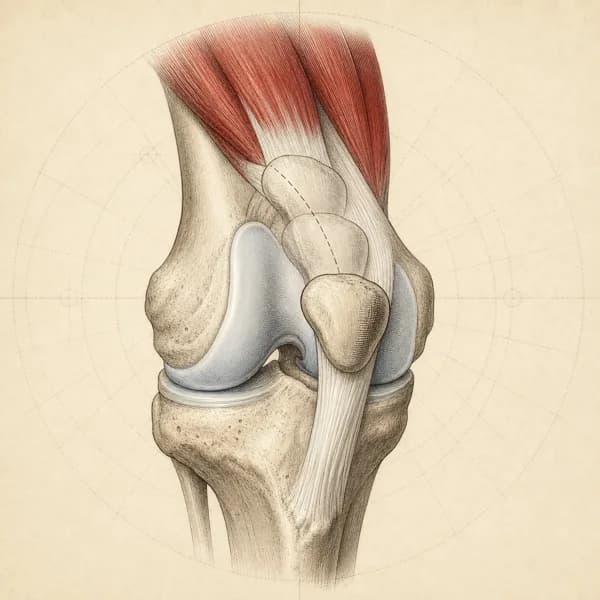
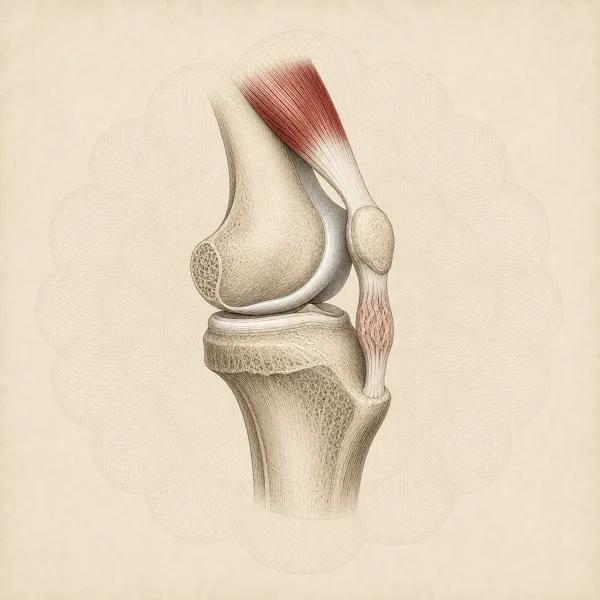
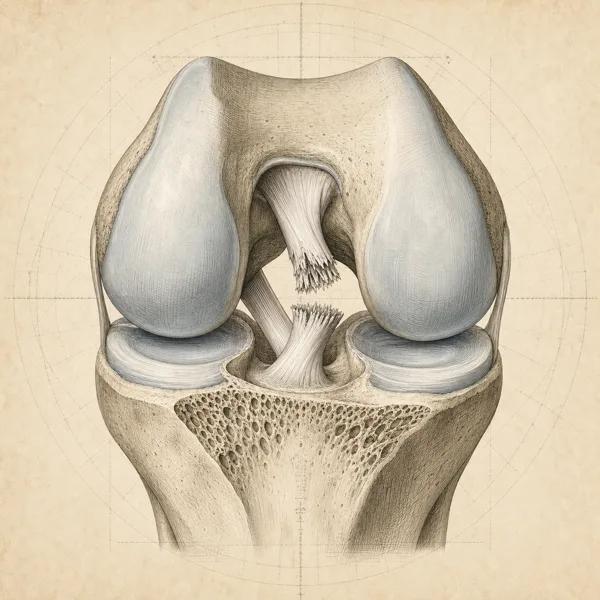
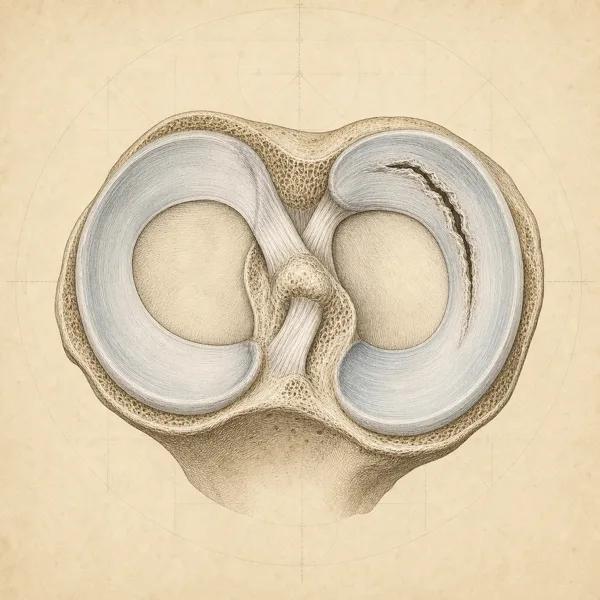
Show all 18 conditions
A Closer Look
Connect exercise progress with your activity goal
A stronger exercise result is useful when it helps you build toward the activity you want back. Reviews therefore consider the activity attempted and its response alongside strength or movement testing. The rehabilitation-progress guide works through examples of changed walking tolerance and improved strength while stairs remain difficult.
The next change may involve the exercise, its amount, the setup or the activity being practised. For sport, later work also needs to prepare you for repeated efforts and the demands of training. The return-to-training guide explains that transition.
Keep the program practical
If the home program does not fit your day, bring the difficulty into the review. Available time, equipment, another painful region and the total amount of activity can all affect what is manageable. Agree which work matters most now, how it fits with the rest of your activity and when to review the revised plan.
How Treatment Progresses
Movement Assessment
Detailed evaluation of strength, flexibility, and movement patterns
Program Design
Creating a customized exercise plan matching your goals and abilities
Guided Practice
Learning proper form and technique with hands-on guidance
Progressive Loading
Gradually advancing exercises as you improve
Frequently Asked Questions
Common questions about Exercise Therapy
What if I've never exercised before?
No problem. Programs start with basic movements you can do safely, often using just your body weight. You learn proper form before adding difficulty. Many people start with simple exercises like sit-to-stand from a chair, wall pushes, or lying leg slides. The progression is gradual: you build capacity before increasing the challenge. Previous exercise experience is not required, just willingness to practice consistently.
Will exercises make my pain worse?
The acceptable response depends on the condition and the activity. Some plans allow manageable discomfort; a fresh injury or protected repair may need different limits. Note what you did, the symptoms during it and the response afterward. If symptoms keep building or function worsens, the plan needs review. A next-day response is useful information, rather than a universal safety test.
How long until I see results?
Movement and pain often start to change within the first few weeks of regular practice. Strength takes longer to build, and changes in the muscle and tendon themselves take a few months. Early improvements come mostly from the nervous system getting better at using the muscle; later ones reflect changes in the tissue. Practising regularly matters more than any single session, and less frequent practice slows things down.
Have Questions About Exercise Therapy?
Book an assessment to find out whether this treatment suits your needs.
A first visit is 45 minutes and $110. Direct billing at Endorphins and PhysioMax. Fees and first visit