Disc Bulge, Protrusion and Extrusion

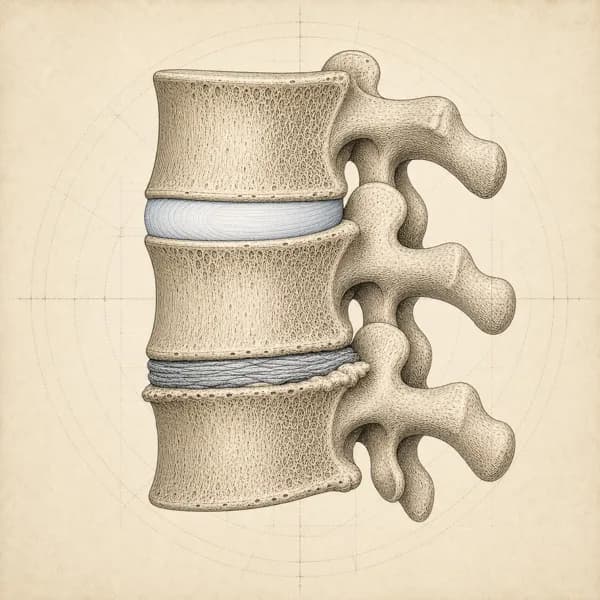
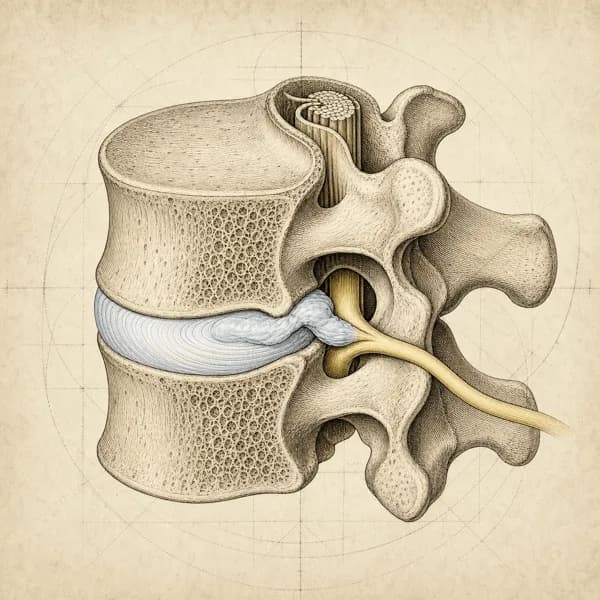
These words describe the shape of a disc on a scan. A bulge is a broad, shallow extension of the disc's edge. Protrusion and extrusion are two shapes of herniation, where disc material is displaced at one spot. The word describes the shape of what the scan shows. It does not, on its own, say how severe your symptoms will be or whether surgery is needed.

Assessing and treating lower back pain in Burlington, Ontario.

When to see a doctor firstBroader Low Back Pain Guide
A lumbar disc

What each word means

Radiology societies in North America agreed on standard definitions for these terms. Reports do not always follow them exactly, so the wording can vary between radiologists.

On the reportWhat it means
Disc bulgeThe edge of the disc extends past the bone around a wide part of its rim. In the standard terms a bulge is not a herniation.
HerniationDisc material is displaced beyond the normal edge of the disc at one spot. Protrusion, extrusion and sequestration are types of herniation.
ProtrusionA herniation at one spot whose base is wider than the displaced part, measured in the same scan view.
ExtrusionA herniation whose displaced part is wider than its base in at least one scan view, or that has separated from the disc.
Sequestration or free fragmentAn extrusion in which the displaced piece has completely separated from the disc it came from.
Central, paracentral, foraminalWhere the displaced material sits: in the middle of the canal, just off to one side, or in the side opening where a nerve root exits.
Broad-based or focalHow wide the displaced area is.
Disc bulge
The edge of the disc extends past the bone around a wide part of its rim. In the standard terms a bulge is not a herniation.
Herniation
Disc material is displaced beyond the normal edge of the disc at one spot. Protrusion, extrusion and sequestration are types of herniation.
Protrusion
A herniation at one spot whose base is wider than the displaced part, measured in the same scan view.
Extrusion
A herniation whose displaced part is wider than its base in at least one scan view, or that has separated from the disc.
Sequestration or free fragment
An extrusion in which the displaced piece has completely separated from the disc it came from.
Central, paracentral, foraminal
Where the displaced material sits: in the middle of the canal, just off to one side, or in the side opening where a nerve root exits.
Broad-based or focal
How wide the displaced area is.

"Slipped disc" is an everyday term for a herniation. Discs do not slip out of place; the word describes material from inside the disc moving outward.

When to see a doctor first

Go to emergency

  • New difficulty passing urine or controlling your bladder or bowels, or numbness around the groin, genitals or inner thighs

    Go to emergency now. These can be signs of pressure on the nerves at the base of the spine (cauda equina syndrome).

Get seen today

  • Weakness in a leg or foot that is new or getting worse, or a foot that drags

    Seek same-day medical assessment.

  • Leg pain, numbness or weakness in both legs at once

    Seek same-day medical assessment.

  • Back pain with fever, chills or feeling generally unwell

    Seek same-day medical assessment to rule out infection.

How common these are without pain

A review of 33 studies, covering 3,110 people with no back pain, estimated that disc bulges show on scans in 30% of 20-year-olds and 84% of 80-year-olds, and disc protrusions in 29% of 20-year-olds and 43% of 80-year-olds.

So a bulge or a protrusion on a report does not, on its own, explain back or leg pain. It matters when it fits your symptoms and the exam.

Do they shrink?

They can. A review of studies of people treated without surgery, who had more than one scan, estimated that the displaced material shrank in 96% of sequestrations, 70% of extrusions, 41% of protrusions and 13% of bulges. It disappeared completely in 43% of sequestrations and 15% of extrusions.

In that review, sequestrations and extrusions were the types most likely to shrink. A word that sounds worse on the report does not mean a worse outlook, and symptoms can improve whether or not the picture changes.

What matters more than the word

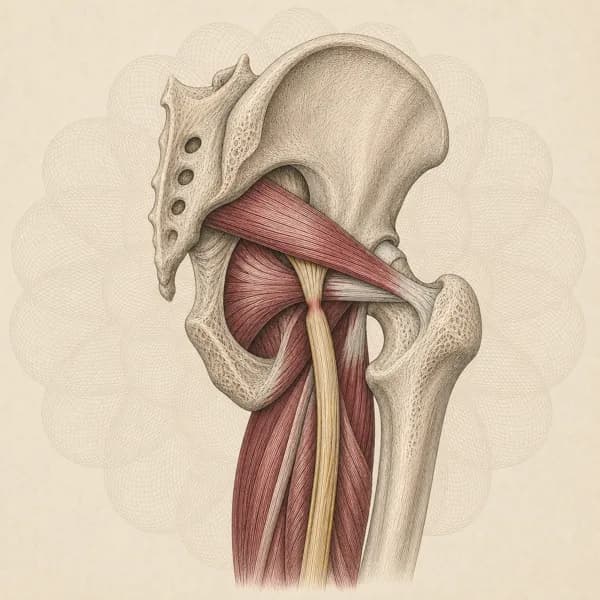
  • Whether a nerve is affected. Pain, numbness or tingling that travels down the leg, or weakness in the leg or foot, says more than the shape of the disc. More on the sciatica page.
  • Whether the level fits. Each nerve root supplies a particular area of the leg. A finding counts when its level matches where your symptoms are.
  • How things are changing. Symptoms that are settling point one way. Weakness that is progressing points another, and needs a medical assessment.

How I approach it in clinic

I start with where the pain travels and which movements and positions change it, then test strength, reflexes and sensation in the legs. That helps assess whether a nerve root is involved and whether the findings fit the level and side named on the report.

Most plans combine staying active, positions and movements that ease the leg symptoms, and graded exercise as things settle. I cannot order imaging. When a scan would change the plan, I flag it to your family doctor or specialist and refer you. More on the disc herniation page.

Questions about disc bulges and herniations

Is a disc bulge the same as a herniated disc?

Not in the standard terms. A bulge is a broad extension of the disc's edge. A herniation is disc material displaced at one spot, and protrusion and extrusion are two of its shapes. In everyday use the words are often mixed.

Is an extrusion worse than a protrusion?

Not on the word alone. The two terms describe the shape of the herniation, not its size or how it will behave. In a review of people treated without surgery, extrusions shrank more often than protrusions (70% compared with 41%). What matters most is whether a nerve is affected and how your symptoms are changing.

Can a disc bulge go back in?

Bulges were the least likely to change on repeat scans in that review (13%). Many bulges are also present in people with no pain, so the aim of treatment is your symptoms and function, not the picture.

Is it safe to exercise with a disc bulge or herniation?

For most people, yes, and staying active is part of usual care. The starting point depends on the exam, and I adjust it from how your back and leg respond. New or worsening leg weakness needs urgent medical assessment. New difficulty passing urine, loss of bladder or bowel control, or numbness around the genitals or anus needs emergency assessment.

Will I need surgery?

Most people with a disc herniation are managed without surgery. A surgical opinion may be considered when leg pain keeps causing substantial pain or limiting what you can do despite non-surgical care, and the scan fits the symptoms. New or worsening leg weakness needs urgent medical assessment. New difficulty passing urine, loss of bladder or bowel control, or numbness around the genitals or anus needs emergency assessment.

Evidence this page is built on

The main sources behind this guide. Other studies are named in the text where they are used.

2014 Fardon DF, Williams AL, Dohring EJ, et al. The Spine Journal

Lumbar disc nomenclature: version 2.0

The consensus recommendations of three North American spine and radiology societies on the standard terms for normal and abnormal lumbar discs, including bulge, protrusion, extrusion and sequestration.
2015 Brinjikji W, Luetmer PH, Comstock B, et al. American Journal of Neuroradiology

Systematic literature review of imaging features of spinal degeneration in asymptomatic populations

In 33 studies of 3,110 people without symptoms, disc bulge was present in 30% of 20-year-olds and 84% of 80-year-olds, and disc protrusion in 29% and 43%.

2015 Chiu CC, Chuang TY, Chang KH, et al. Clinical Rehabilitation

The probability of spontaneous regression of lumbar herniated disc: a systematic review

In studies of patients treated conservatively with at least two scans, the rate of spontaneous regression was 96% for sequestration, 70% for extrusion, 41% for protrusion and 13% for bulging, with complete resolution in 43% of sequestrated and 15% of extruded discs.

Access, hours, and how to book

I see patients for lower back pain at Endorphins Health & Wellness Centre in Burlington. The clinic serves people coming in from Burlington, Waterdown, Oakville, Hamilton, Flamborough, and Carlisle, with free parking on site and a ground-floor entrance.

  • 4631 Palladium Way, Unit 6Burlington, ON L7M 0W9
  • (905) 634-6000Direct insurance billing available. No physician referral needed.

Burlington hours

Endorphins Health & Wellness Centre
4631 Palladium Way
Monday
1:30 to 7:00 PM
Tuesday
3:30 to 8:00 PM
Thursday
1:30 to 8:00 PM
Headon Physio
1387 Walkers Line
Wednesday
2:00 to 7:00 PM
Friday
1:00 to 7:00 PM
PhysioMax Wellness
1035 Brant Street
Tuesday
11:00 AM to 2:30 PM
Saturday
12:00 to 3:00 PM