
Post-Surgical Rehabilitation
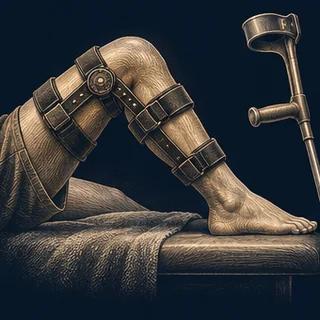
Physiotherapy after orthopedic surgery, from the first weeks to full activity, working to your surgeon's protocol.
- A staged plan that follows your surgeon's protocol
- Early help with swelling, pain and getting moving
- Range of motion recovered within your surgical precautions
About This Treatment
Rehabilitation after surgery protects the repair while it heals, then rebuilds movement, strength and confidence in stages. I work to your surgeon's protocol and adjust the pace to how you respond. Healing moves through overlapping stages: inflammation over the first few days, repair over the following weeks, and remodelling that carries on for months. That is why strength and confidence keep improving long after the wound has healed, and why the later stages of rehabilitation matter as much as the first.
What to Expect
Rehabilitation follows the protocol for your operation and your surgeon's instructions. Early sessions focus on swelling, pain and gentle movement, then move to strengthening and the activities you need. Visits are usually more frequent early on and spaced out as you become more independent with your exercises.
Key Benefits
- A staged plan that follows your surgeon's protocol
- Early help with swelling, pain and getting moving
- Range of motion recovered within your surgical precautions
- Progressive strengthening exercises
- A planned return to work, sport and daily activities
- Clear guidance on warning signs after surgery
Conditions Treated
Conditions where I use this treatment, usually alongside exercise.
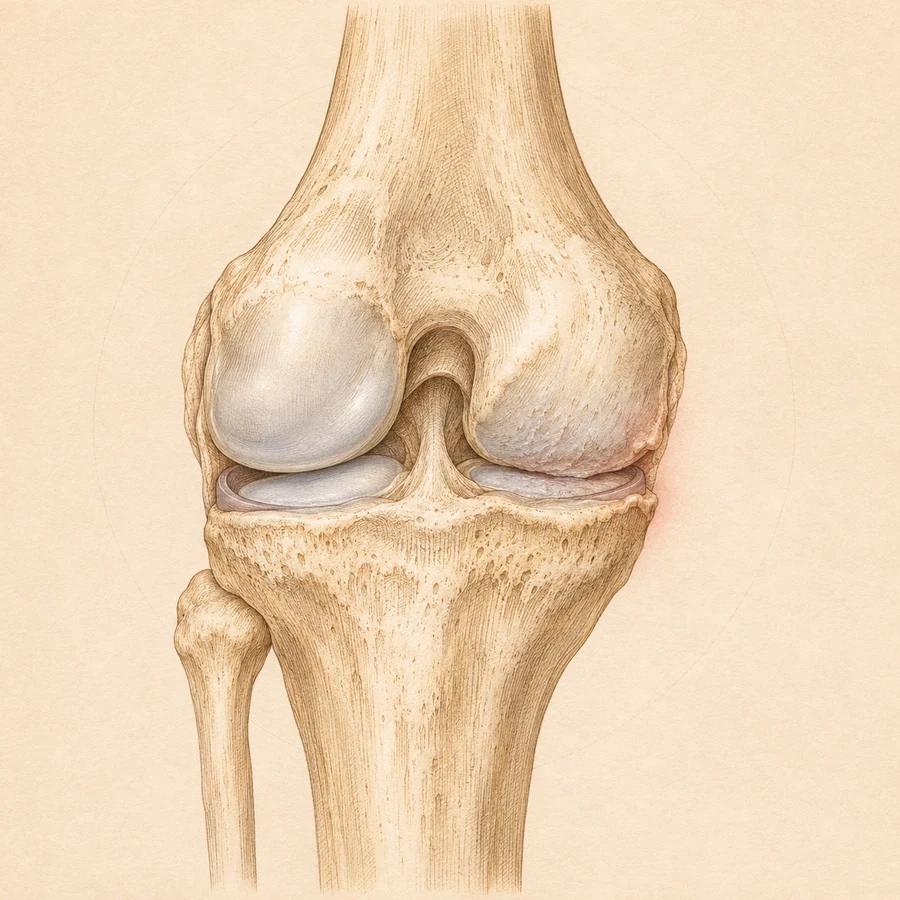
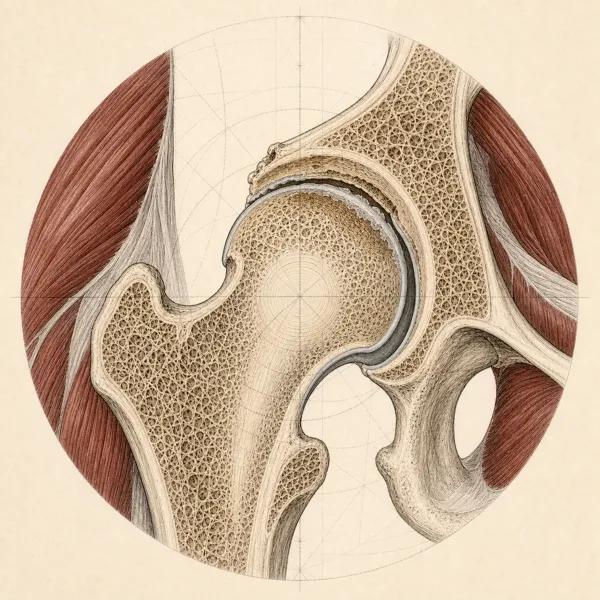
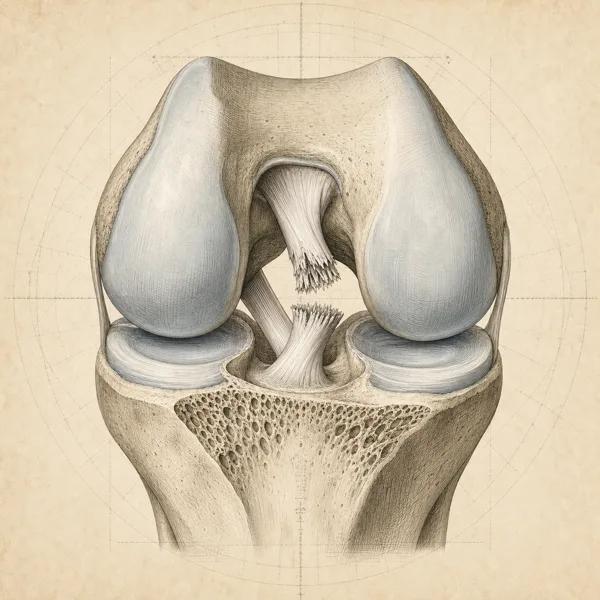
Show all 11 conditions
A Closer Look
Working with your surgeon's protocol
Every operation comes with precautions: how much weight you can put through the leg, how far a joint can move, whether you need a brace or sling and for how long. These depend on what was done during surgery, and only your surgical team knows those details. Bring your operative report or discharge papers and any written protocol to your first visit.
I follow those limits and progress within them. If something does not look right, or a question needs the surgeon's answer, I contact the surgical team rather than guess.
Knee and hip replacement
After a knee replacement, the early priorities are controlling swelling, getting the knee fully straight, recovering bend, and walking with less support. Thigh strength drops sharply in the first weeks. In a study of 20 people about a month after knee replacement (Mizner and colleagues, Journal of Bone and Joint Surgery, 2005), quadriceps strength was 62% lower than before surgery, mostly because the nervous system was not fully switching the muscle on. Rebuilding that strength is a large part of how well you later manage stairs, chairs and longer walks.
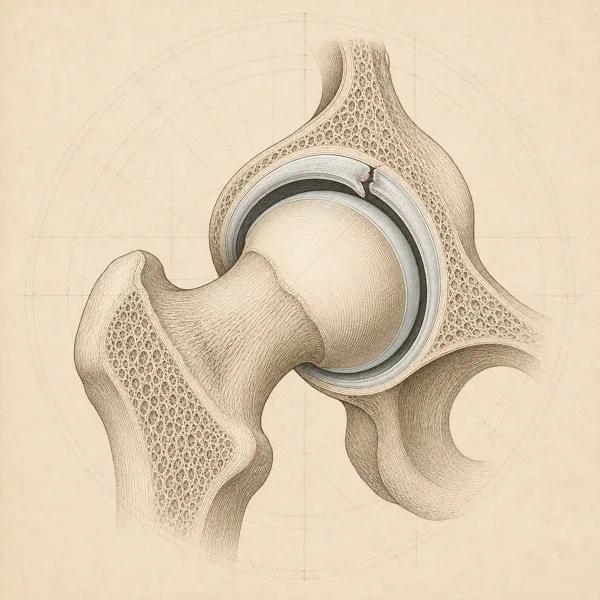
After a hip replacement, the focus is walking, strength around the hip, and getting in and out of chairs, cars and bed comfortably. Some hip replacements come with movement precautions and some do not; it depends on the surgical approach and your surgeon's preference, so I follow what you were given. In both operations, people usually keep improving for months after the wound has healed.
ACL reconstruction and other knee surgery
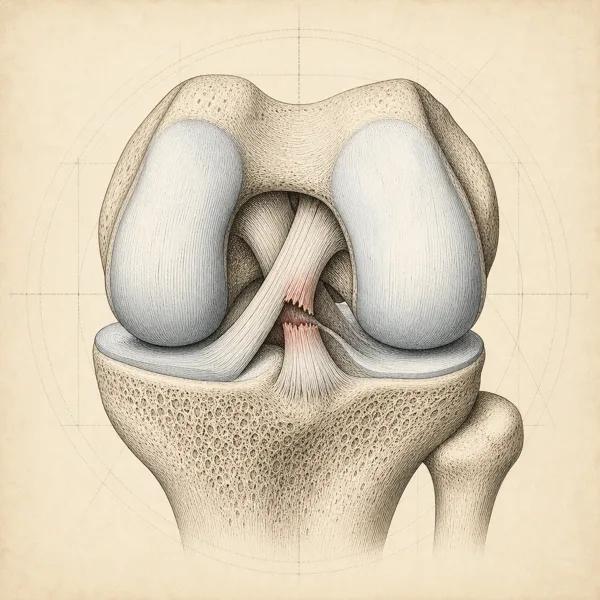
After reconstruction, the first goals are a fully straight knee, settling the swelling, and getting the quadriceps working again. Strength work builds from there, then running, jumping and change of direction, and finally sport-specific training. Healing time, the operation and test results all contribute to the return plan. In a cohort of 106 people who played pivoting sports, followed for two years after ACL reconstruction (Grindem and colleagues, British Journal of Sports Medicine, 2016), later return up to nine months was associated with fewer re-injuries.
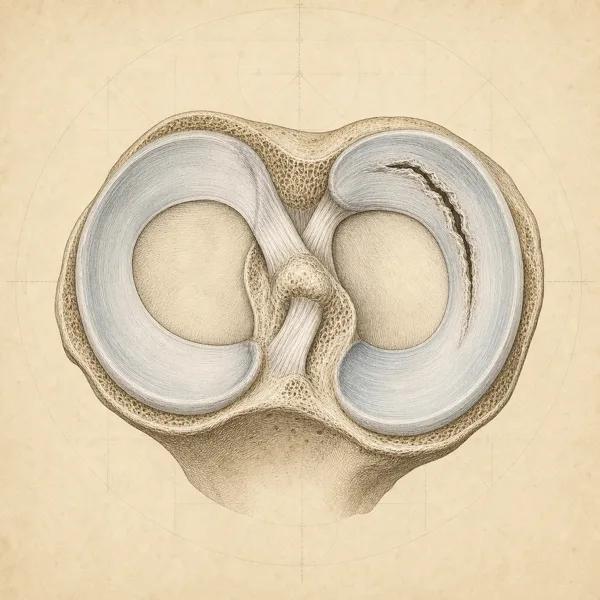
surgery varies. After an isolated partial meniscectomy, walking and movement can usually progress early as symptoms allow. A repair needs protection while tissue heals, with restrictions shaped by the tear and procedure. A root repair restores an attachment and can require limits on weight bearing, bending and loaded activities. The root tear guide explains that recovery. Your surgeon's written instructions set the permitted starting point.
After a proximal hamstring repair
The operation reattaches the tendon at the sitting bone. Early walking, movement and exercise follow the protection plan for that repair. The surgical team's written instructions guide those limits; published protocols vary.
Later rehabilitation rebuilds strength and the activities you want back. Comfortable walking, tolerating a run and repeating the demands of normal training are separate goals. The avulsion guide explains the treatment choice, while the return-to-training guide explains how exercise, testing and practice fit together.
After Lisfranc fixation or fusion
Lisfranc surgery addresses injured joints in the middle of the foot. Fixation holds the joints in alignment with hardware; fusion joins selected joints. The operation, healing and follow-up images determine when weight bearing and exercise can progress. Bring the instructions for your procedure, including the boot or cast and walking-aid plan.
Later work connects permitted movement and strengthening with walking, work and sport. The Lisfranc injury guide explains the treatment choices and recovery questions. Feeling more comfortable is useful progress, while the surgical team still determines when the protection limits can change.
After an Achilles tendon repair
The boot or cast, ankle position, heel wedges and permitted weight bearing are part of protecting the repaired tendon. Bring the written instructions for changing those settings and for ankle movement. Tightness during recovery is reviewed within that plan; aggressive stretching can place unwanted lengthening stress on the healing tendon.
As the plan permits, exercise rebuilds calf strength and walking, then repeated push-off and the demands of work or sport. The Achilles rupture guide explains treatment and recovery. The transition from the boot to a shoe is another change in loading that needs preparation and review.
Shoulder, tendon and fracture surgery
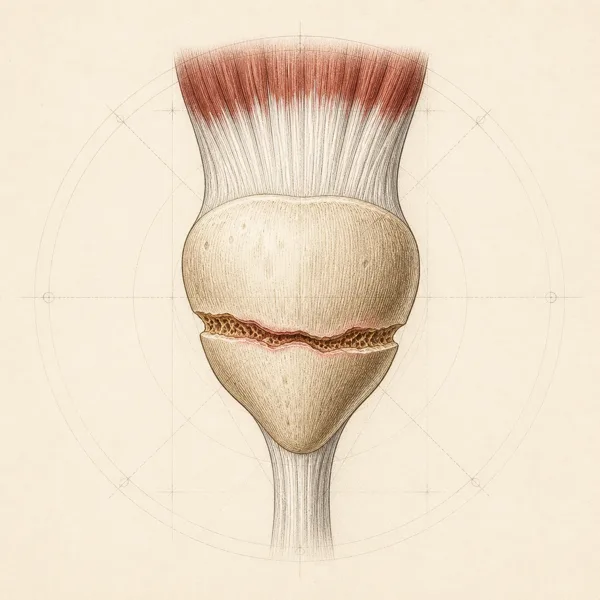
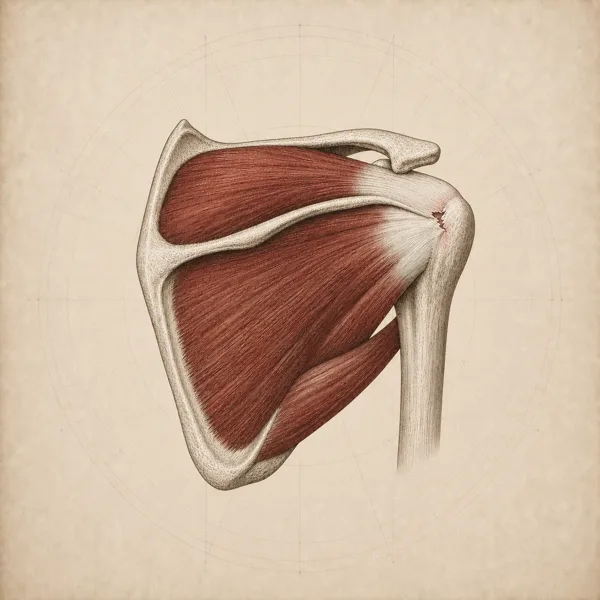
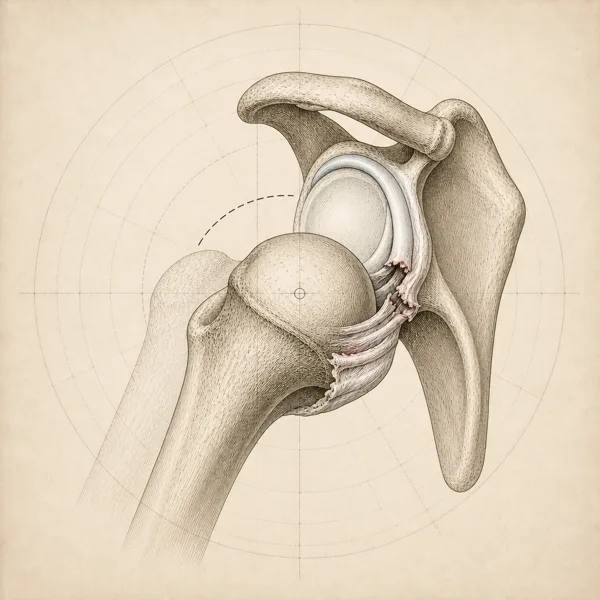
After a repair, the repaired tendon is protected while it heals back onto the bone. Early work is usually gentle movement within the sling precautions, with active use and strengthening added later. Shoulder stabilization follows a similar pattern of protection first, then range, then strength.
After an Achilles repair or fracture fixation, the early stages are set by the boot, cast or weight-bearing limits you leave hospital with. Once those lift, the work is restoring range, calf and leg strength, and normal walking before anything faster.
When to get medical help
If you notice any of these, follow the action given rather than waiting for your next physiotherapy visit.
Pain, swelling, warmth or redness in the calf or thigh, especially in one leg
Same-day medical assessment: call your surgeon's office, or go to emergency if you cannot reach them. These can be signs of a blood clot (deep vein thrombosis).
Sudden shortness of breath, chest pain, or coughing up blood
Call 911. A blood clot can travel to the lungs.
Fever or chills, or a wound that becomes more red, hot, swollen or painful, or leaks pus or cloudy fluid
Contact your surgeon's office the same day, or go to emergency if you cannot reach them. These can be signs of infection.
The wound opens, or bleeding soaks through the dressing
Contact your surgeon's office or go to emergency the same day.
A foot or hand that becomes pale, cold, numb or increasingly painful inside a cast, boot or tight bandage
Go to emergency now.
Sudden loss of movement or strength, a pop with sudden pain, a new deformity, or suddenly being unable to put weight on a leg you could stand on before
Stop exercising and contact your surgeon the same day. The repair or joint replacement may have been damaged or dislocated.
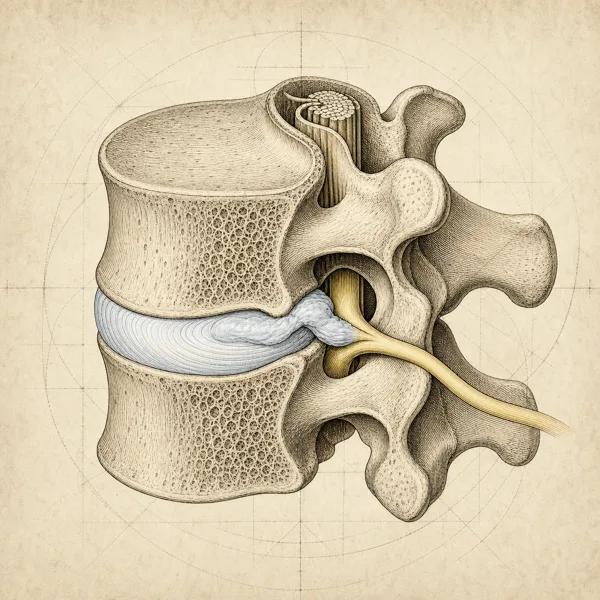
After spinal surgery: new numbness around the genitals, buttocks or inner thighs, new loss of bladder or bowel control, or new weakness in the legs
Go to emergency now.
How Treatment Progresses
Protection
Controlling swelling and pain, getting moving safely, and protecting the repair within your surgeon's precautions
Movement
Recovering range of motion and normal walking or arm use, within the limits your surgeon set
Strength
Progressive strengthening exercises to rebuild the muscles that weaken after surgery
Return to Activity
Training for the stairs, work, sport or hobbies you want back, with testing before higher-demand activity
Frequently Asked Questions
Common questions about Post-Surgical Rehabilitation
When should I start physiotherapy after surgery?
It depends on the operation and your surgeon's instructions. After knee replacement, hip replacement and ACL reconstruction, rehabilitation usually begins within days. After a rotator cuff repair, early work is usually gentle movement within the sling precautions, with active exercise added later. Meniscus repair is protected for longer than a meniscectomy, even though both are knee operations. Starting too aggressively can damage a repair, and waiting too long can leave a joint stiff, so follow your surgeon's timeline. I work within it.
Can I start physiotherapy before surgery?
Yes. Building strength and range before an operation, often called prehabilitation, can give you a better starting point, and it means you already know your exercises before the hard first weeks. Before ACL reconstruction, many surgeons want the knee straight, the swelling settled and the quadriceps working well before they operate.
Will therapy be painful after surgery?
You should feel stretching and muscle fatigue, but not sharp pain that makes you want to stop. Healing tissue needs gradual load to recover, but too much too soon can damage the repair. Moderate discomfort that settles quickly is acceptable; sharp pain, or pain that lingers and worsens afterward, means the load was too much and the plan is adjusted. Tell me how your pain responds so the progression stays right for you.
How long is post-surgical rehabilitation?
It varies with the operation. Recovery from a meniscectomy is usually measured in weeks, while a rotator cuff repair or a joint replacement takes months. Return to pivoting sport after ACL reconstruction is generally not considered before nine months. The pace also depends on how you were before surgery and how consistently you do your exercises. Your surgeon's protocol and your progress on testing set your timeline.
What should I bring to my first visit?
Your operative report or discharge papers, any protocol or precautions from your surgeon, a list of your medications, and clothing that lets me see and move the area, such as shorts for a knee or hip. If you have a brace, sling or walking aid, bring it too.
Is physiotherapy after surgery covered by insurance?
It is billed like any other physiotherapy appointment. Direct billing is available at Endorphins and PhysioMax for most extended health plans. No referral is needed to book, although some insurance plans ask for one before they reimburse, so check your plan.
Have Questions About Post-Surgical Rehabilitation?
Book an assessment to find out whether this treatment suits your needs.
A first visit is 45 minutes and $110. Direct billing at Endorphins and PhysioMax. Fees and first visit