
Pain Education & Self-Management
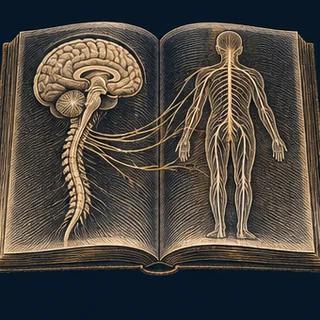
Understanding pain science to reduce fear and improve movement confidence alongside active rehabilitation.
- A clearer understanding of your pain
- Less fear of movement for many people
- More confidence in daily activities
About This Treatment
Pain neuroscience education teaches the science behind persistent pain and develops practical management strategies. You'll learn how pain signals work in the nervous system, why pain can persist after tissue healing, and how to approach movement with greater confidence. This education complements hands-on treatment and exercise therapy.
What to Expect
Sessions combine discussion, visual aids, and practical exercises. You'll learn why pain persists, how thoughts and emotions influence pain, and develop specific strategies for your situation. The focus is on active learning with immediate practical application.
Key Benefits
- A clearer understanding of your pain
- Less fear of movement for many people
- More confidence in daily activities
- A bigger part in your own recovery
- Used alongside exercise, not instead of it
Conditions Treated
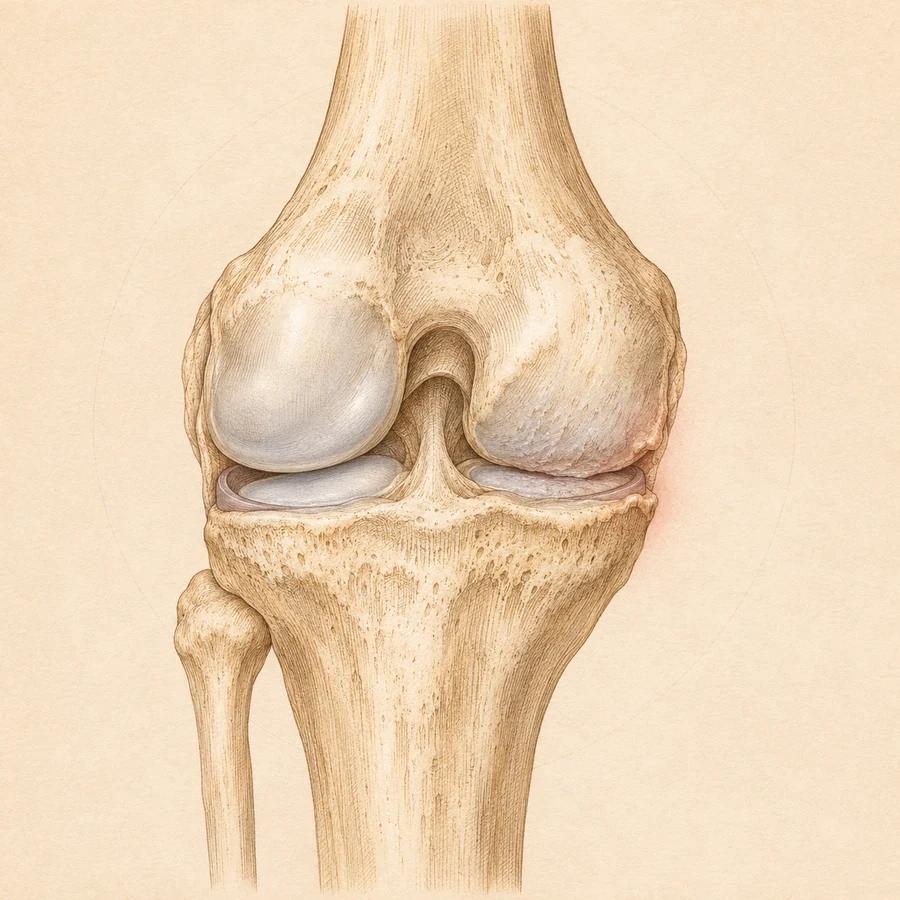
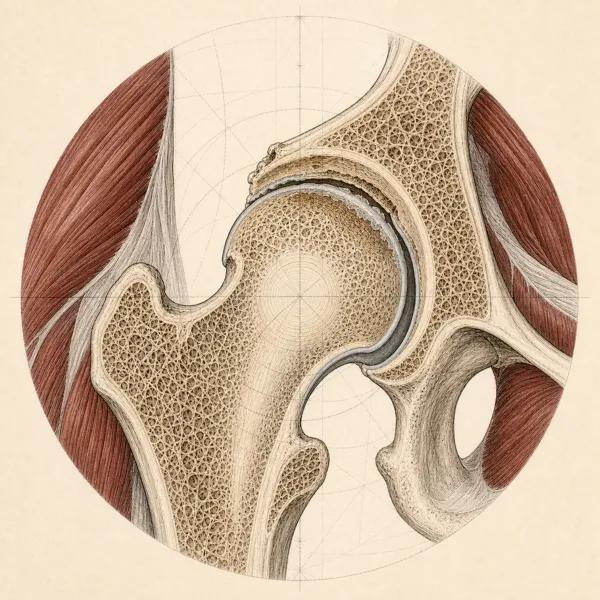
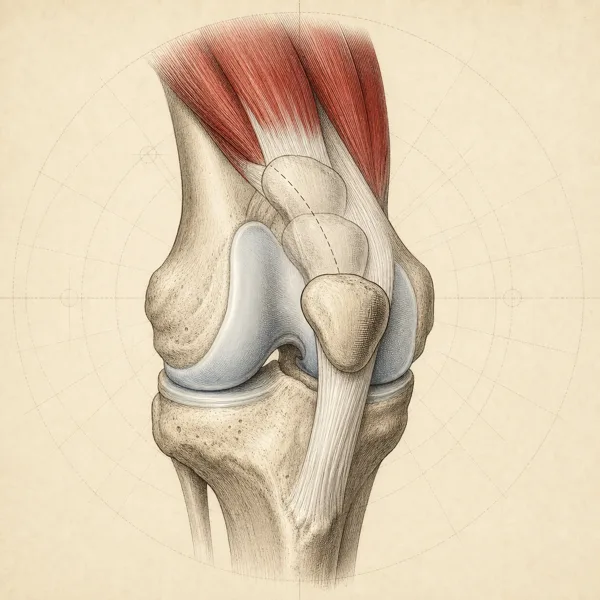
Conditions where I use this treatment, usually alongside exercise.
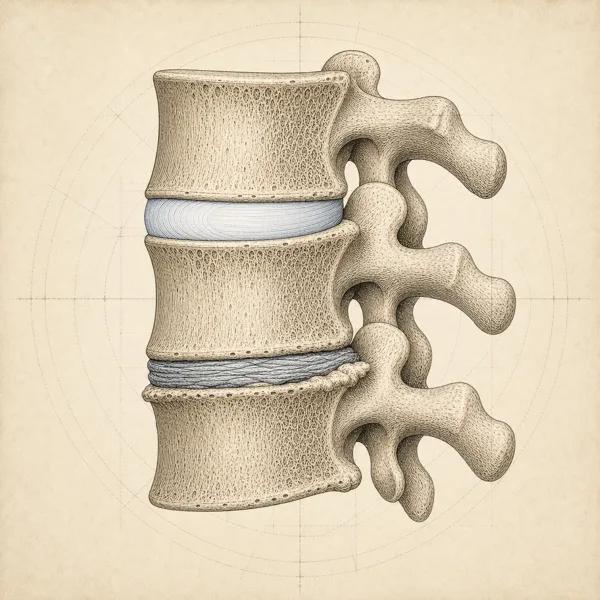
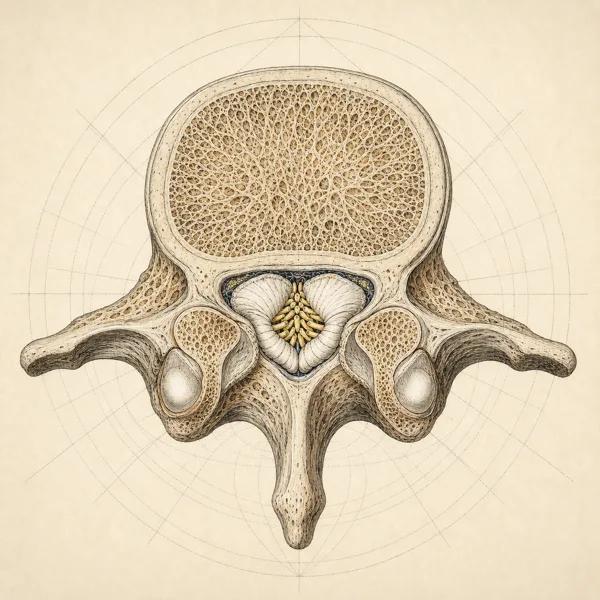
A Closer Look
Use the explanation to guide activity and review
A pain explanation should help you understand the activity plan: what you are working toward, how the activity can be adjusted and which changes deserve review. Describe the task alongside the symptoms, including what happened afterward. This gives the discussion a connection to daily life.
The rehabilitation-progress guide works through walking and stair examples. It shows why less pain, more activity and a better test result can each leave a different question for the next review.
How Treatment Progresses
Pain Assessment
Understanding your unique pain experience and contributing factors
Education Sessions
Learning about pain neuroscience in understandable terms
Strategy Development
Creating personalized coping and management strategies
Implementation
Putting strategies into practice with ongoing support
Frequently Asked Questions
Common questions about Pain Education & Self-Management
How can education reduce my pain?
Pain is influenced by tissue signals, nervous-system processing and your wider circumstances. Education helps make that experience understandable and connects the explanation to rehabilitation. Research on persistent low back pain found short-term improvements when pain education was added to exercise or physiotherapy. This does not mean that learning an explanation automatically changes pain for everyone.
Is this just positive thinking?
No. This is neuroscience education that explains the biological mechanisms of pain. You learn about actual physiological processes: how nerves become , why pain can persist after healing, and how movement affects your nervous system. The goal is accurate understanding, not optimism. Understanding why you hurt helps you respond differently to pain and makes it easier to keep moving.
Will I still need hands-on treatment?
Often, yes, though exercise matters more. Pain education is used alongside exercise, and sometimes alongside hands-on treatment. Education helps you understand what is happening, exercise builds the capacity to do more, and hands-on treatment can make movement more comfortable while you rebuild.
Have Questions About Pain Education & Self-Management?
Book an assessment to find out whether this treatment suits your needs.
A first visit is 45 minutes and $110. Direct billing at Endorphins and PhysioMax. Fees and first visit